Our approach
From data to long-term, pesticide-free mosquito control.
ZikaSeal works in partnership with cities to deliver a long-term, pesticide-free mosquito control solution. Our approach combines data analysis, local adaptation, physical infrastructure, and ongoing optimisation to ensure effective protection 365 days a year.
Data-driven city analysis
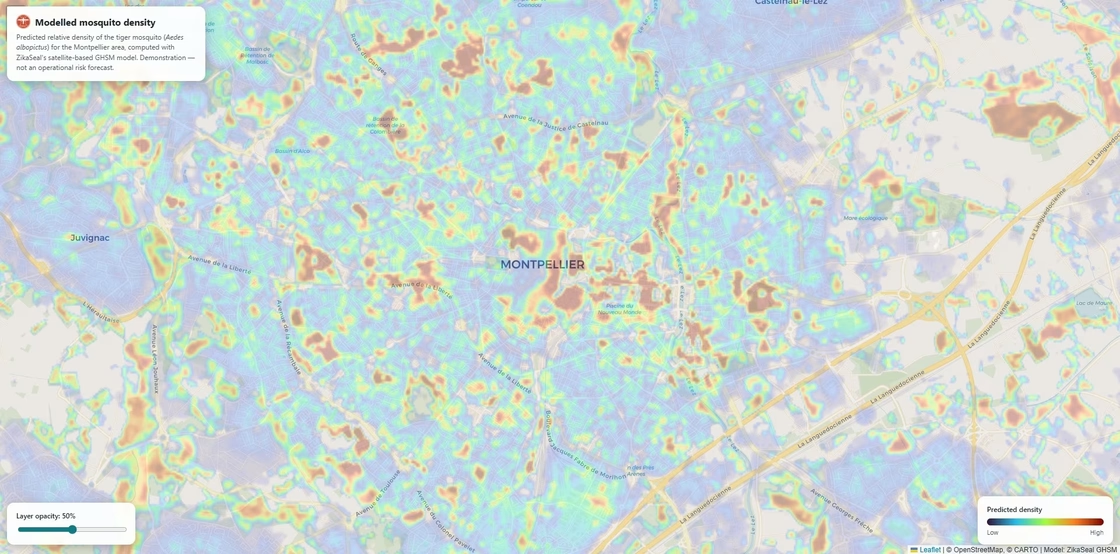
We begin with an analysis of the city: its catch basins, its drainage network and its local conditions. Our satellite-based hotspot model is being developed to support this analysis. It is not yet a validated operational tool; in our ESA Kick-Start project (March to August 2026, with Monaco and Graz as pilot cities) it reached proof of concept. The model is designed to help:
- Identify likely high-risk mosquito breeding areas
- Prioritise catch basins with the greatest impact on mosquito populations
- Focus interventions where they deliver the highest public health benefit
The aim is a targeted, evidence-based foundation for implementation.
Local adaptation and stakeholder alignment
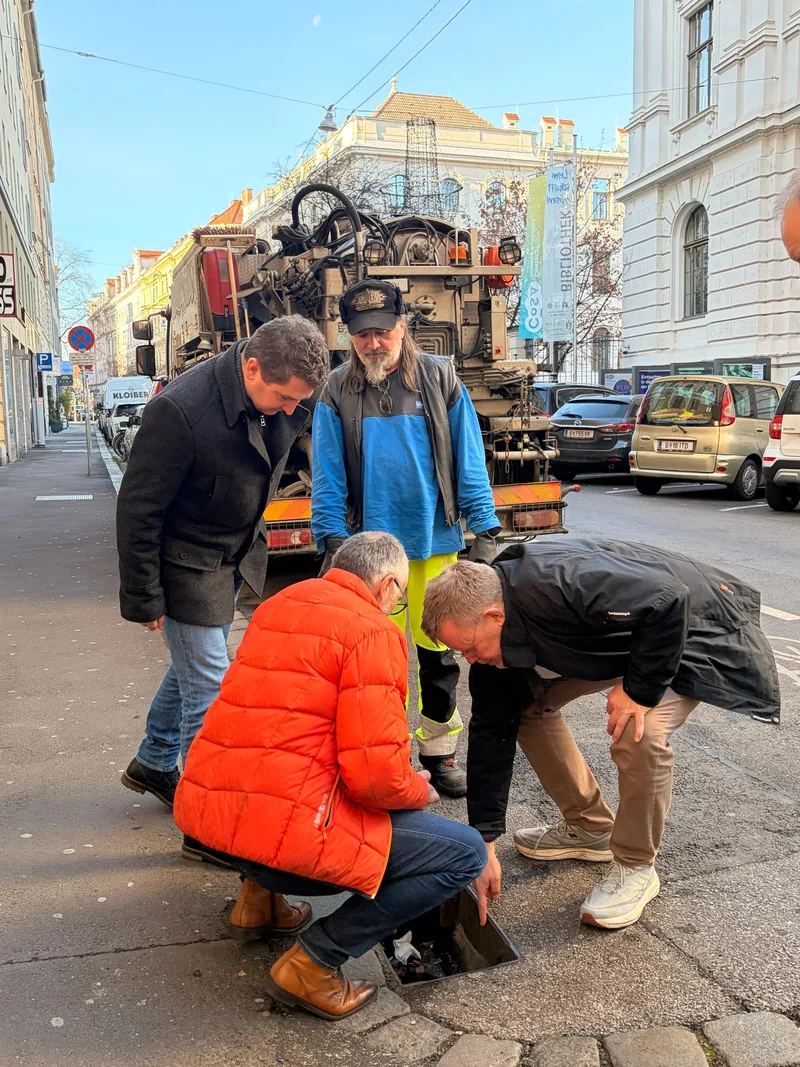
Before deployment, we work closely with the municipality to ensure alignment across all relevant departments. We hold coordination meetings with key stakeholders, including public health authorities, parks and environmental departments, as well as roads and infrastructure departments.
Together, we agree on what a ZikaSeal implementation entails:
- A transition away from biweekly treatments
- A shift towards inspection-based control
- Clear roles, responsibilities, and operational procedures
Each deployment is custom-adapted to the specific requirements of the city’s drainage network and existing maintenance practices.
Custom design, delivery and local installation
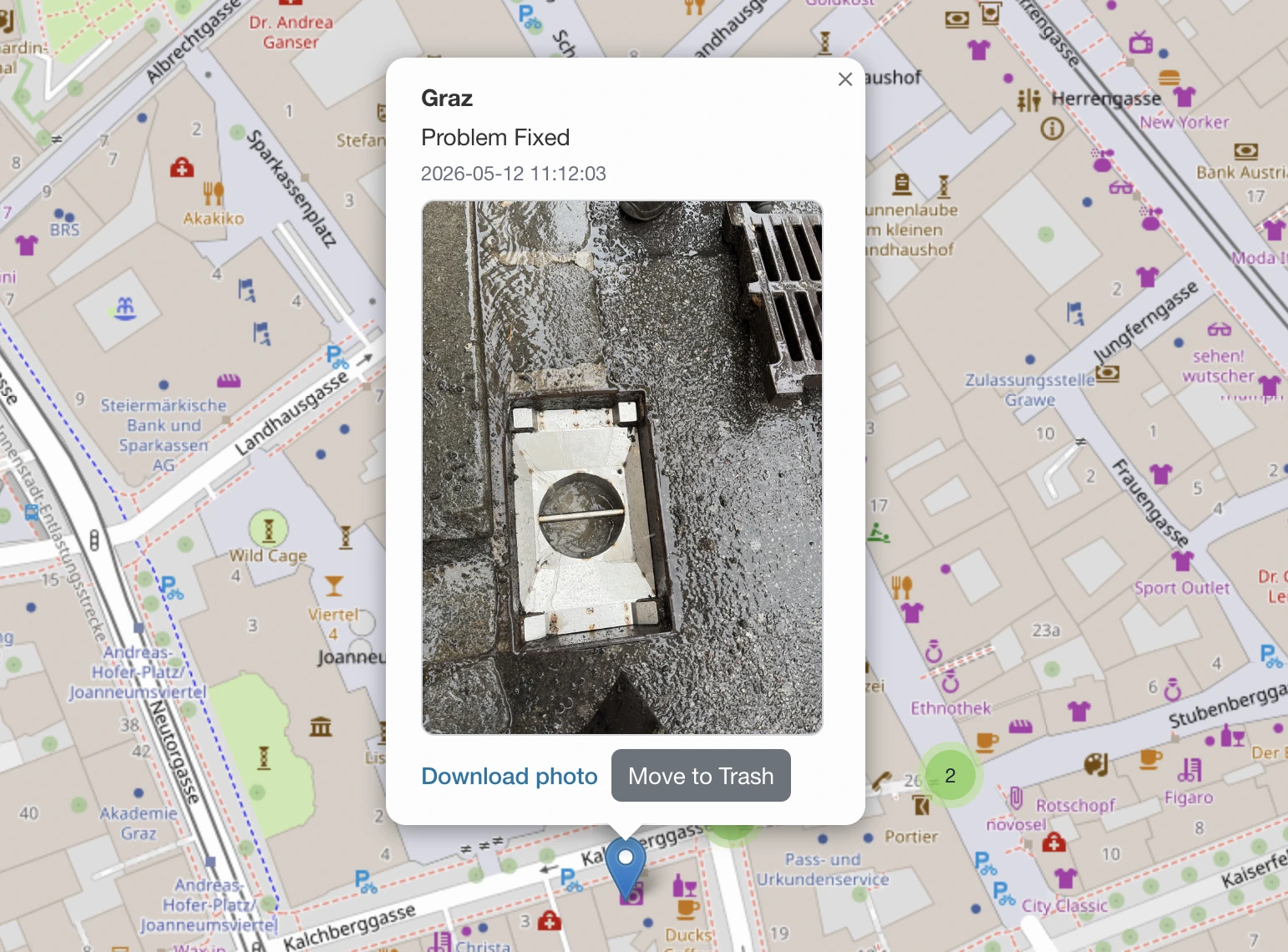
Based on the analysis and local adaptation, ZikaSeal units are custom-designed to fit the city’s catch basin types and operational conditions, including compatibility with local drain geometries, routine cleaning practices, and standard methods such as vacuum trucks and mechanical equipment.
The system is manufactured and delivered from Denmark and installed by the municipality’s own operational staff or local contractors. Installation is fast, requires no specialised tools, and remains fully compatible with normal catch basin cleaning operations.
Subscription-based operation and maintenance
ZikaSeal is designed for long-term operation in demanding urban environments. What is installed once, what is inspected, what is replaced, and what the subscription covers:
- Installed once
- The stainless steel mounting unit. It is robust and designed to remain in place for many years.
- Inspected
- The installations, by your own staff, as part of inspection-based control. Each inspection is recorded in the ZikaSeal app.
- Replaced when needed
- The barrier insert, when debris or substances such as paint, lime or asphalt entering the drainage system have affected it. Replacement is carried out locally in about 5 minutes and needs no specialised training.
- Covered by the subscription
- Replacement barrier components. Your quote sets out everything else the price and the subscription include.
This keeps costs predictable for municipalities.
Inspection, reporting and system overview
ZikaSeal includes a digital inspection and reporting tool that supports day-to-day operations. The system provides:
- Simple local reporting of inspections and maintenance
- A clear overview of all ZikaSeal installations within the municipality
At the same time, system status can be monitored centrally by ZikaSeal from Copenhagen, enabling quality assurance, support, and long-term optimisation.
Continuous optimisation
Urban environments and mosquito dynamics evolve over time. Existing deployments are reviewed and adjusted if local conditions change. Once our risk model is validated, we plan to update each city’s risk map annually with new satellite and environmental data.
This ensures the solution remains effective and future-proof, year after year.
Explore the solution